
Smoke Damage Restoration: Bringing Life Back to Your Space
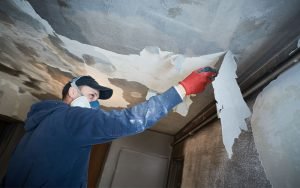
Smoke Damage Restoration: Bringing Life Back to Your Space Smoke damage restoration is a crucial process that comes into play after a fire accident, cooking mishap, or exposure to cigarette smoke. The aftermath of such events can be overwhelming, with visible and invisible damages affecting your property. In this article, we’ll delve into the intricacies of smoke damage restoration, from understanding the causes to exploring effective restoration techniques. Causes of Smoke Damage Fire Accidents One of the primary causes of smoke damage is a fire accident. The flames release particles into the air, leaving a trail of smoke and residue on various surfaces. Cooking Mishaps Even a minor cooking mishap can lead to smoke damage. Burnt food releases smoke that can permeate walls, ceilings, and furnishings, necessitating prompt attention. Cigarette Smoke Long-term exposure to cigarette smoke can result in a buildup of residue on surfaces. This type of smoke damage often requires specialized cleaning methods. Understanding Smoke Residue Types of Smoke Residue Smoke residue varies in composition, and understanding its types is crucial for effective restoration. Dry smoke residue is powdery and easy to clean, while wet smoke residue is sticky and can be more challenging to remove. Surface Penetration Smoke doesn’t merely settle on surfaces; it can penetrate materials, making cleanup more intricate. Porous materials like upholstery and fabrics may require specialized attention. Assessment and Inspection Before commencing restoration, a professional assessment is essential. Experts evaluate the extent of the damage, identifying areas that require immediate attention. Professional Evaluation Trained technicians use their expertise to assess the damage comprehensively. This evaluation informs the restoration plan and ensures no hidden issues are overlooked. Identifying Affected Areas A meticulous inspection helps in identifying all affected areas. Even spaces seemingly untouched by fire may harbor smoke residue, necessitating thorough cleaning. Safety Measures Protective Gear Restoration professionals wear protective gear to safeguard themselves from harmful particles and chemicals. DIY enthusiasts should also prioritize safety with masks and gloves. Ventilation Proper ventilation is crucial during restoration. It helps disperse lingering odors and ensures a safe working environment for both professionals and occupants. Cleaning and Restoration Techniques Dry Cleaning Methods Dry cleaning methods involve using absorbent compounds to lift dry smoke residue. This is effective for surfaces that cannot withstand moisture. Wet Cleaning Methods Wet cleaning methods, on the other hand, use liquid solutions to dissolve and remove sticky residue. Professional restoration services often employ a combination of dry and wet cleaning techniques. Equipment Used in Restoration Air Purifiers Air purifiers help eliminate lingering odors by filtering out particles from the air. They play a vital role in creating a fresh and healthy indoor environment. Specialized Cleaning Agents Professional restoration services utilize specialized cleaning agents designed to break down and remove different types of smoke residue. These agents are essential for thorough restoration. Preventing Long-Term Damage Immediate Action Taking immediate action is crucial to prevent long-term damage. The longer smoke residue lingers, the more challenging it becomes to restore the affected areas. Professional Restoration Services While some may attempt DIY restoration, seeking professional help ensures a more thorough and effective restoration process. Professionals have the expertise and equipment to tackle complex smoke damage. Insurance and Documentation Importance of Documentation Documenting the extent of smoke damage is essential for insurance claims. Photographs, receipts, and detailed reports aid in the insurance process. Working with Insurance Companies Coordinating with insurance companies can be complex. A restoration professional can assist in navigating the paperwork and ensuring a smoother claims process. DIY vs. Professional Restoration Pros and Cons DIY restoration may seem cost-effective, but it comes with its challenges. Professionals bring expertise, equipment, and efficiency, outweighing the drawbacks of a DIY approach. When to Seek Professional Help Complex smoke damage, extensive residue, or structural concerns should prompt homeowners to seek professional restoration services promptly. Costs Involved in Smoke Damage Restoration Factors Affecting Costs Several factors influence the costs of smoke damage restoration, including the extent of the damage, the type of smoke residue, and the materials affected. Budget-Friendly Options Homeowners on a budget can explore cost-effective restoration options without compromising the quality of the service. Professional consultations often provide insights into affordable solutions. Common Challenges in Restoration Lingering Odors One common challenge after restoration is lingering odors. Air purifiers, proper ventilation, and deodorizing techniques can address this issue effectively. Hidden Damages Hidden damages, such as structural issues or hidden smoke residue, may surface over time. Regular inspections post-restoration can help identify and address these issues promptly. Tips for Choosing a Restoration Service Reputation Researching the reputation of restoration services is crucial. Online reviews, testimonials, and recommendations provide insights into the reliability of a service. Experience Experience matters in smoke damage restoration. Choosing a service with a proven track record ensures a more successful restoration process. Reviews and Testimonials Reading reviews and testimonials from previous clients helps gauge the effectiveness of a restoration service. Positive feedback is a good indicator of reliable service. Post-Restoration Maintenance Preventive Measures Taking preventive measures is key to maintaining a smoke-damage-free environment. Regular cleaning, proper ventilation, and avoiding smoking indoors contribute to long-term success. Regular Inspections Regular inspections, even after restoration, can catch potential issues early on. Timely intervention prevents the escalation of problems and ensures a consistently healthy living space. Conclusion In conclusion, smoke damage restoration is a comprehensive process that requires immediate attention and professional expertise. Whether caused by fire accidents, cooking mishaps, or cigarette smoke, the effects of smoke damage can be pervasive. Taking prompt action, prioritizing safety, and choosing the right restoration service are critical steps in restoring your space to its former glory. FAQs How soon should I initiate smoke damage restoration after a fire? It’s crucial to start the restoration process as soon as possible to prevent further damage. Immediate action can significantly impact the success of the restoration. Can I handle smoke damage restoration on my own? While some minor issues can be addressed with DIY methods, it’s advisable to seek professional help for thorough and effective restoration, especially in