
Flood Damage Cleanup and Restoration: Restoring Your Property After a Deluge

Flood Damage Cleanup and Restoration: Restoring Your Property After a Deluge Introduction A deluge can quickly turn a peaceful living space into a disaster zone. Water damage is not just limited to visible destruction; it can permeate structures and belongings, leading to unseen issues that can linger for years. Addressing water damage promptly is crucial to prevent further complications. Understanding the Impact of Water Damage The Immediate Effects When water infiltrates your property, it can warp wood, weaken structures, and destroy electronic devices. It creates a breeding ground for mold and mildew, posing health risks to occupants. Long-term Consequences Untreated water damage can lead to structural instability, compromised air quality, and reduced property value. The longer the water sits, the more extensive the damage becomes. Assessing the Extent of Damage Water Categories Water is categorized into three types based on its source and contamination levels. Understanding these categories helps determine the appropriate cleanup approach. Structural Damage Evaluation A thorough assessment of the property’s structural integrity is essential. This evaluation guides the restoration process and identifies areas needing immediate attention. Safety First: Precautions During Cleanup Electrical Hazards Water and electricity don’t mix. Before starting any cleanup, ensure the power supply is disconnected to avoid electrocution risks. Contamination Concerns Floodwater can carry harmful contaminants. Use personal protective equipment to minimize contact and prevent potential health issues. Water Extraction and Drying Techniques Removing Standing Water Powerful pumps and vacuums are used to extract water from affected areas quickly. This step is vital to prevent further damage. Dehumidification Process Once standing water is removed, dehumidifiers and air movers are deployed to dry out the space completely, preventing mold growth. Mold Prevention and Remediation Identifying Mold Growth Mold can start growing within 24-48 hours of water exposure. Regularly inspecting your property helps identify mold-prone areas. Professional Mold Removal Extensive mold infestations require professional remediation. Experts follow strict protocols to remove mold and prevent its return. Salvaging and Discarding Items Salvageable Items Not all belongings are lost to water damage. Quick action can save valuable items like documents, photographs, and certain furniture. Disposing of Damaged Items Porous materials like carpets and upholstered furniture may need to be discarded to prevent mold spread. Dispose of these items following local guidelines. Restoring Structural Integrity Repairing Walls and Floors Damaged walls and floors are repaired to their pre-damage condition. This involves replacing materials, repainting, and ensuring structural stability. Roof Restoration Roofs are vulnerable during heavy rainfall. Damaged shingles or leaks should be repaired promptly to prevent water infiltration. Professional Restoration Services Choosing the Right Restoration Company Selecting a reputable restoration company is crucial for a successful recovery. Research and read reviews to make an informed choice. The Restoration Process Professional restoration experts follow a systematic approach involving assessment, cleanup, drying, and rebuilding to restore your property. Insurance Claims and Documentation Documenting Damages Thoroughly document the damage with photographs and written descriptions. This documentation assists in filing accurate insurance claims. Communicating with Insurance Open communication with your insurance provider is essential. Keep them informed about the damage, the restoration process, and any incurred expenses. Preventive Measures for the Future Improving Drainage Systems Well-maintained gutters and drainage systems direct water away from your property, preventing future flooding and water damage. Waterproofing Strategies Applying waterproof coatings and sealants to vulnerable areas can fortify your property against future water infiltration. Conclusion Water damage can be daunting, but with swift and strategic action, you can restore your property after a deluge. By understanding the risks, taking safety precautions, and engaging professional help, you can regain a safe and habitable living space. FAQs Can I clean up flood damage on my own? It’s recommended to hire professionals due to the potential hazards and complexities of flood cleanup. How long does the restoration process usually take? The duration varies based on the extent of damage, but it can take weeks to months for a complete restoration. Does insurance cover flood damage? Standard homeowners’ insurance typically doesn’t cover flood damage. Additional flood insurance is advisable. Can mold growth be prevented after a flood? Proper drying and dehumidification are essential to prevent mold growth in flood-affected areas. What preventive measures can I take against future floods? Elevating electrical systems, using flood-resistant building materials, and creating proper drainage can reduce flood risks. If you’re in Airdrie or Northern Calgary and find yourself in need of top-notch flood damage cleanup and restoration services, look no further than Hazpro Restoration. With our expertise and dedication, Hazpro Restoration is your go-to partner in restoring your property after a flood. We understand the urgency and importance of swift action, offering comprehensive solutions that include damage assessment, efficient cleanup, thorough drying, and expert restoration. Hazpro Restoration’s experienced team is equipped to handle even the most challenging situations, ensuring that your property is brought back to its pre-flood condition. When disaster strikes, Hazpro Restoration is here to provide the support and expertise you need to recover and rebuild.
Wet Basement Restoration: A Comprehensive Guide to Keeping Your Home Dry

Wet Basement Restoration: A Comprehensive Guide to Keeping Your Home Dry Introduction Having a wet basement can be a homeowner’s nightmare. It not only affects the structural integrity of your home but can also lead to mold and mildew growth, posing health risks to your family. In this article, we will delve into the world of wet basement restoration, exploring the causes, prevention, and effective solutions to keep your basement dry and your home safe. Understanding the Causes of a Wet Basement 1. Poor Drainage Systems One of the leading causes of a wet basement is inadequate drainage systems. We’ll discuss how improper grading and gutter issues can contribute to basement flooding. 2. Hydrostatic Pressure Explaining hydrostatic pressure and how it forces water through the foundation walls, leading to leaks and dampness. 3. Cracks and Gaps Discussing how cracks and gaps in your foundation can be an entry point for water, causing seepage into the basement. The Importance of Timely Restoration 4. Preventing Structural Damage Highlighting how ignoring a wet basement can lead to significant structural damage to your home’s foundation. 5. Health Concerns Addressing the health risks associated with mold and mildew growth in a damp basement and why immediate restoration is crucial. Wet Basement Restoration Solutions 6. Interior Waterproofing Exploring the various methods and technologies used for interior basement waterproofing, such as sealants and coatings. 7. Exterior Waterproofing Detailing the benefits of exterior waterproofing, including French drains and proper landscaping to divert water away from the foundation. 8. Sump Pump Installation Discussing the role of sump pumps in keeping basements dry and the different types available. 9. Foundation Repair Explaining how repairing foundation cracks and gaps can be a long-term solution to prevent water infiltration. DIY vs. Professional Restoration 10. Pros and Cons Comparing the advantages and disadvantages of tackling wet basement restoration as a DIY project or hiring professionals. 11. Cost Considerations Providing insights into the cost factors associated with both DIY and professional restoration. Maintenance Tips for a Dry Basement 12. Regular Inspections Highlighting the importance of routine basement inspections to catch potential issues early. 13. Gutter Maintenance Explaining how maintaining your gutters can prevent water from flowing towards the foundation. 14. Landscaping Solutions Offering landscaping tips to ensure proper water drainage away from your home. 15. Foundation Maintenance Discussing the significance of maintaining your foundation to prevent future water intrusion. Conclusion In conclusion, a wet basement can lead to a myriad of problems for homeowners. However, with the right knowledge and proactive measures, you can ensure your basement remains dry and your home safe. Remember that timely restoration and maintenance are key to protecting your investment. FAQs How can I tell if my basement has water damage? Look for signs such as dampness, musty odors, or visible water leaks. Is DIY basement waterproofing effective? It can be if done correctly, but professional help is often recommended for long-term solutions. What is the average cost of wet basement restoration? Costs vary depending on the extent of the damage and the chosen restoration method. How often should I inspect my basement for issues? It’s a good practice to inspect your basement at least once a year, preferably before the rainy season. Can I prevent a wet basement with proper landscaping? Yes, landscaping to divert water away from your foundation can significantly reduce the risk of a wet basement. Remember, a dry basement contributes to a healthier home environment and preserves the value of your property. Don’t let a wet basement become a costly problem; take action now to keep your basement dry and your home safe. If you’re in Airdrie or North Calgary and find yourself in need of professional wet basement restoration services, look no further than Hazpro Restoration. With a solid reputation for excellence, Hazpro Restoration is your local expert in tackling wet basement issues. Our team of experienced professionals understands the unique challenges that homeowners in this region face and offers tailored solutions to keep your basement dry and your home safe. Don’t let a wet basement disrupt your peace of mind; trust us at Hazpro Restoration to restore and protect your property.
Sewage Cleanup in Airdrie: Dealing with Unpleasant Emergencies
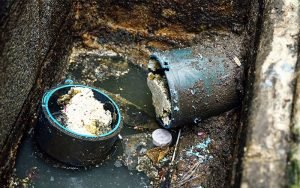
Sewage Cleanup in Airdrie: Dealing with Unpleasant Emergencies In our day-to-day lives, we often take for granted the complex system of pipes and sewage infrastructure that keeps our homes and communities clean. However, when disaster strikes and sewage backup occurs, it can quickly become a nightmare. Sewage cleanup in Airdrie is a topic of utmost importance for homeowners and businesses alike. In this comprehensive guide, we will delve into the intricacies of sewage cleanup, its importance, and how to handle such emergencies effectively. Understanding Sewage Backup Causes of Sewage Backup Sewage backup can occur due to various reasons, including: Clogged Pipes and Drains: Over time, debris, grease, and foreign objects can accumulate in pipes, causing blockages. Tree Root Intrusion: Tree roots seeking moisture and nutrients can infiltrate sewage lines, leading to obstructions. Heavy Rainfall and Flooding: Excessive rainfall can overwhelm sewage systems, causing backups in homes and businesses. Malfunctioning Septic Tanks: When septic tanks malfunction or aren’t regularly maintained, sewage can back up into properties. Risks Associated with Sewage Backup The consequences of sewage backup are dire and can include: Health Hazards: Exposure to raw sewage can lead to diseases, infections, and respiratory issues. Property Damage: Sewage backup can cause structural damage to buildings and destroy personal belongings. Financial Burden: Cleanup and repairs can be expensive, especially if insurance coverage is limited. The Sewage Cleanup Process Immediate Actions When faced with sewage backup, swift action is crucial: Ensure Safety: First and foremost, ensure the safety of everyone on the premises. Evacuate if necessary. Turn Off Utilities: Shut off electricity and gas to prevent accidents. Contact Professionals: Call sewage cleanup experts who are equipped to handle the situation safely. Cleanup and Restoration Assessment: Professionals assess the extent of damage and create a cleanup plan. Extraction: The removal of sewage and contaminated materials begins. Sanitization: Thorough cleaning and disinfection of affected areas take place. Repair and Restoration: Structural repairs and restoration efforts are undertaken. Prevention and Maintenance Regular Inspections Sewer Line Inspection: Regular inspections can identify potential issues before they escalate. Septic Tank Maintenance: Routine maintenance ensures septic systems function correctly. Proper Waste Disposal Dispose of Grease Properly: Avoid pouring grease down drains. Mind What You Flush: Only flush toilet paper and waste; avoid flushing non-degradable items. Conclusion Sewage cleanup in Airdrie is not just a matter of convenience but also a significant health and safety concern. Understanding the causes, risks, and proper cleanup procedures is essential for homeowners and businesses alike. By taking preventive measures and being prepared, you can minimize the impact of sewage backup emergencies. FAQs What should I do if I experience sewage backup in my home? In the event of sewage backup, prioritize safety, turn off utilities, and contact professionals immediately. Are there any health risks associated with sewage backup? Yes, sewage backup can pose significant health hazards due to exposure to contaminants. How can I prevent sewage backup in my property? Regular inspections, proper waste disposal, and septic tank maintenance are key preventive measures. Is sewage backup covered by insurance? Insurance coverage for sewage backup varies, so it’s essential to check your policy for details. What are the long-term consequences of sewage backup if not properly addressed? Failure to address sewage backup promptly can result in extensive property damage and higher cleanup costs. In conclusion, sewage backup is a challenging situation that requires immediate action and professional assistance. However, with preventive measures and regular maintenance, you can reduce the likelihood of encountering this unpleasant emergency. Remember, safety should always be your top priority when dealing with sewage backup incidents. At Hazpro Restoration in Airdrie, we understand the distressing nature of sewage backup incidents and are here to help you every step of the way. Our team of dedicated professionals is committed to ensuring your safety and the restoration of your property. We take pride in our swift response, thorough cleanup, and expert restoration services. When you choose us, you’re choosing a partner who cares about your well-being and the well-being of your property. With Hazpro Restoration by your side, you can trust that your sewage cleanup needs are in capable hands. Your safety and peace of mind are our top priorities, and we’re here to provide you with the support and expertise you need during these challenging times.
What are the Common Causes of Water Damage and How to Avoid Them?
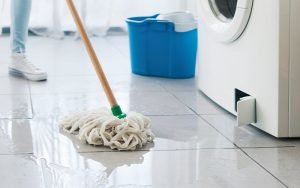
What are the Common Causes of Water Damage and How to Avoid Them? Introduction Water damage can be a homeowner’s nightmare, causing not only structural issues but also posing health risks due to mold growth. In this article, we’ll delve into the common causes of water damage and provide practical tips on how to avoid them. External Factors Weather-Related Causes Unpredictable weather patterns can lead to water damage. Heavy rainfall and flooding, for instance, can infiltrate homes, causing extensive damage to walls, floors, and belongings. Structural Issues Roof Leaks A damaged roof is a common culprit for water damage. Leaks can occur due to missing shingles, deteriorated flashing, or other issues. Regular roof inspections are crucial for prevention. Foundation Cracks Cracks in the foundation allow water to seep into basements or crawl spaces. Regular checks for foundation issues and prompt repairs are vital. Appliance Failures Plumbing Issues Burst Pipes When pipes freeze or corrode, they can burst, leading to significant water damage. Proper insulation and regular checks on pipe conditions are essential preventive measures. Leaky Fixtures Even minor leaks from faucets or plumbing fixtures can escalate into major issues. Timely repairs and replacements can prevent water damage. Malfunctioning Appliances Water Heaters Old or faulty water heaters can leak or burst, causing flooding. Regular maintenance and timely replacement of aging water heaters are crucial. Dishwashers Dishwasher leaks often go unnoticed until significant damage occurs. Regularly inspecting hoses, valves, and connections can prevent such issues. Poor Maintenance Practices Gutter Neglect Clogged or damaged gutters can lead to water overflow, causing damage to siding and foundations. Regular gutter cleaning is a simple yet effective preventive measure. Lack of Inspections Ignoring routine inspections of plumbing, roofing, and other potential problem areas can result in undetected issues that may escalate into significant water damage. Ignoring Minor Leaks Small leaks may seem inconsequential, but they can indicate larger underlying problems. Promptly addressing and fixing minor leaks can prevent extensive damage. Steps to Avoid Water Damage Regular Inspections Frequent checks of the roof, plumbing, and appliances can help identify and address potential issues before they escalate. Proper Maintenance Regular maintenance, such as cleaning gutters and checking for leaks, is crucial for preventing water damage. Early Detection Systems Installing water detection devices can provide early warnings, allowing homeowners to take immediate action before extensive damage occurs. Dealing with Water Damage Immediate Actions In case of water damage, it’s crucial to act swiftly. Turning off the water source, removing excess water, and ventilating the affected area can mitigate the damage. Professional Assistance Seeking professional help for water damage restoration is essential. Professionals have the expertise and equipment to handle the situation effectively. Preventing Mold Growth After water damage, preventing mold growth is a priority. Thoroughly drying affected areas and using mold-resistant materials during repairs can help prevent mold infestations. Conclusion Water damage is a pervasive issue that can be prevented with proactive measures. Regular inspections, timely maintenance, and swift action in case of damage are key to safeguarding your home. By understanding the common causes and taking preventive steps, homeowners can protect their properties from the devastating effects of water damage. FAQs How often should I inspect my roof for potential leaks? Regular roof inspections are recommended at least twice a year, ideally in spring and fall. Can a small plumbing leak lead to significant water damage? Yes, even minor plumbing leaks can escalate into major issues over time, causing significant damage. What should I do if I discover a burst pipe in my home? Immediately turn off the water supply, and call a professional plumber for repairs. Are there warning signs of water heater failure? Yes, signs include unusual noises, rusty water, or water pooling around the base of the water heater. How can I prevent mold growth after water damage? Thoroughly dry the affected areas, use dehumidifiers, and consider using mold-resistant materials during repairs. In the unfortunate event that you find yourself facing water damage in Airdrie or Calgary, Hazpro Restoration is here for you. Our team at Hazpro is dedicated to providing swift and efficient water damage restoration services. With years of experience in the industry, we understand the urgency and stress that water damage can bring. We take pride in our prompt response, utilizing state-of-the-art equipment to assess and mitigate the damage effectively. At Hazpro Restoration, we are not just a restoration company; we are your partners in recovery. Trust in our team’s expertise and commitment to restoring your home or business to its pre-damage condition. We are here to help you navigate through the restoration process, ensuring a seamless and thorough recovery. Contact Hazpro Restoration in Airdrie and Calgary for reliable, professional, and compassionate water damage restoration services.
Smoke Damage Restoration: Bringing Life Back to Your Space
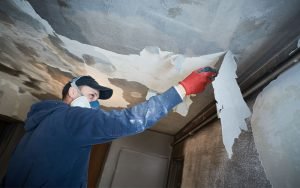
Smoke Damage Restoration: Bringing Life Back to Your Space Smoke damage restoration is a crucial process that comes into play after a fire accident, cooking mishap, or exposure to cigarette smoke. The aftermath of such events can be overwhelming, with visible and invisible damages affecting your property. In this article, we’ll delve into the intricacies of smoke damage restoration, from understanding the causes to exploring effective restoration techniques. Causes of Smoke Damage Fire Accidents One of the primary causes of smoke damage is a fire accident. The flames release particles into the air, leaving a trail of smoke and residue on various surfaces. Cooking Mishaps Even a minor cooking mishap can lead to smoke damage. Burnt food releases smoke that can permeate walls, ceilings, and furnishings, necessitating prompt attention. Cigarette Smoke Long-term exposure to cigarette smoke can result in a buildup of residue on surfaces. This type of smoke damage often requires specialized cleaning methods. Understanding Smoke Residue Types of Smoke Residue Smoke residue varies in composition, and understanding its types is crucial for effective restoration. Dry smoke residue is powdery and easy to clean, while wet smoke residue is sticky and can be more challenging to remove. Surface Penetration Smoke doesn’t merely settle on surfaces; it can penetrate materials, making cleanup more intricate. Porous materials like upholstery and fabrics may require specialized attention. Assessment and Inspection Before commencing restoration, a professional assessment is essential. Experts evaluate the extent of the damage, identifying areas that require immediate attention. Professional Evaluation Trained technicians use their expertise to assess the damage comprehensively. This evaluation informs the restoration plan and ensures no hidden issues are overlooked. Identifying Affected Areas A meticulous inspection helps in identifying all affected areas. Even spaces seemingly untouched by fire may harbor smoke residue, necessitating thorough cleaning. Safety Measures Protective Gear Restoration professionals wear protective gear to safeguard themselves from harmful particles and chemicals. DIY enthusiasts should also prioritize safety with masks and gloves. Ventilation Proper ventilation is crucial during restoration. It helps disperse lingering odors and ensures a safe working environment for both professionals and occupants. Cleaning and Restoration Techniques Dry Cleaning Methods Dry cleaning methods involve using absorbent compounds to lift dry smoke residue. This is effective for surfaces that cannot withstand moisture. Wet Cleaning Methods Wet cleaning methods, on the other hand, use liquid solutions to dissolve and remove sticky residue. Professional restoration services often employ a combination of dry and wet cleaning techniques. Equipment Used in Restoration Air Purifiers Air purifiers help eliminate lingering odors by filtering out particles from the air. They play a vital role in creating a fresh and healthy indoor environment. Specialized Cleaning Agents Professional restoration services utilize specialized cleaning agents designed to break down and remove different types of smoke residue. These agents are essential for thorough restoration. Preventing Long-Term Damage Immediate Action Taking immediate action is crucial to prevent long-term damage. The longer smoke residue lingers, the more challenging it becomes to restore the affected areas. Professional Restoration Services While some may attempt DIY restoration, seeking professional help ensures a more thorough and effective restoration process. Professionals have the expertise and equipment to tackle complex smoke damage. Insurance and Documentation Importance of Documentation Documenting the extent of smoke damage is essential for insurance claims. Photographs, receipts, and detailed reports aid in the insurance process. Working with Insurance Companies Coordinating with insurance companies can be complex. A restoration professional can assist in navigating the paperwork and ensuring a smoother claims process. DIY vs. Professional Restoration Pros and Cons DIY restoration may seem cost-effective, but it comes with its challenges. Professionals bring expertise, equipment, and efficiency, outweighing the drawbacks of a DIY approach. When to Seek Professional Help Complex smoke damage, extensive residue, or structural concerns should prompt homeowners to seek professional restoration services promptly. Costs Involved in Smoke Damage Restoration Factors Affecting Costs Several factors influence the costs of smoke damage restoration, including the extent of the damage, the type of smoke residue, and the materials affected. Budget-Friendly Options Homeowners on a budget can explore cost-effective restoration options without compromising the quality of the service. Professional consultations often provide insights into affordable solutions. Common Challenges in Restoration Lingering Odors One common challenge after restoration is lingering odors. Air purifiers, proper ventilation, and deodorizing techniques can address this issue effectively. Hidden Damages Hidden damages, such as structural issues or hidden smoke residue, may surface over time. Regular inspections post-restoration can help identify and address these issues promptly. Tips for Choosing a Restoration Service Reputation Researching the reputation of restoration services is crucial. Online reviews, testimonials, and recommendations provide insights into the reliability of a service. Experience Experience matters in smoke damage restoration. Choosing a service with a proven track record ensures a more successful restoration process. Reviews and Testimonials Reading reviews and testimonials from previous clients helps gauge the effectiveness of a restoration service. Positive feedback is a good indicator of reliable service. Post-Restoration Maintenance Preventive Measures Taking preventive measures is key to maintaining a smoke-damage-free environment. Regular cleaning, proper ventilation, and avoiding smoking indoors contribute to long-term success. Regular Inspections Regular inspections, even after restoration, can catch potential issues early on. Timely intervention prevents the escalation of problems and ensures a consistently healthy living space. Conclusion In conclusion, smoke damage restoration is a comprehensive process that requires immediate attention and professional expertise. Whether caused by fire accidents, cooking mishaps, or cigarette smoke, the effects of smoke damage can be pervasive. Taking prompt action, prioritizing safety, and choosing the right restoration service are critical steps in restoring your space to its former glory. FAQs How soon should I initiate smoke damage restoration after a fire? It’s crucial to start the restoration process as soon as possible to prevent further damage. Immediate action can significantly impact the success of the restoration. Can I handle smoke damage restoration on my own? While some minor issues can be addressed with DIY methods, it’s advisable to seek professional help for thorough and effective restoration, especially in